Unlocking the Power of Pure Protein: How Much Protein in a Cup of Egg White?
In the vast world of nutrition, few ingredients offer such a clean, potent dose of protein with minimal calories and zero fat as the humble egg white. A staple for athletes, health enthusiasts, and home cooks alike, egg whites are celebrated for their versatility and impressive nutritional profile. If you've ever found yourself cracking eggs and separating the whites for a health-conscious meal or a delicate meringue, you've likely wondered about the exact nutritional punch they pack. Specifically, the question often arises: how much protein in a cup of egg white?
The answer is quite significant, making egg whites an excellent choice for anyone looking to boost their protein intake without adding unwanted fats or excessive calories. Let's dive deep into the precise figures and explore why this seemingly simple ingredient is a true nutritional powerhouse, offering immense value to your diet and overall well-being. For even more detailed insights into this incredible ingredient, you can explore how much protein in a cup of egg white - Article 1.
The Nutritional Powerhouse: Unpacking 1 Cup of Egg Whites
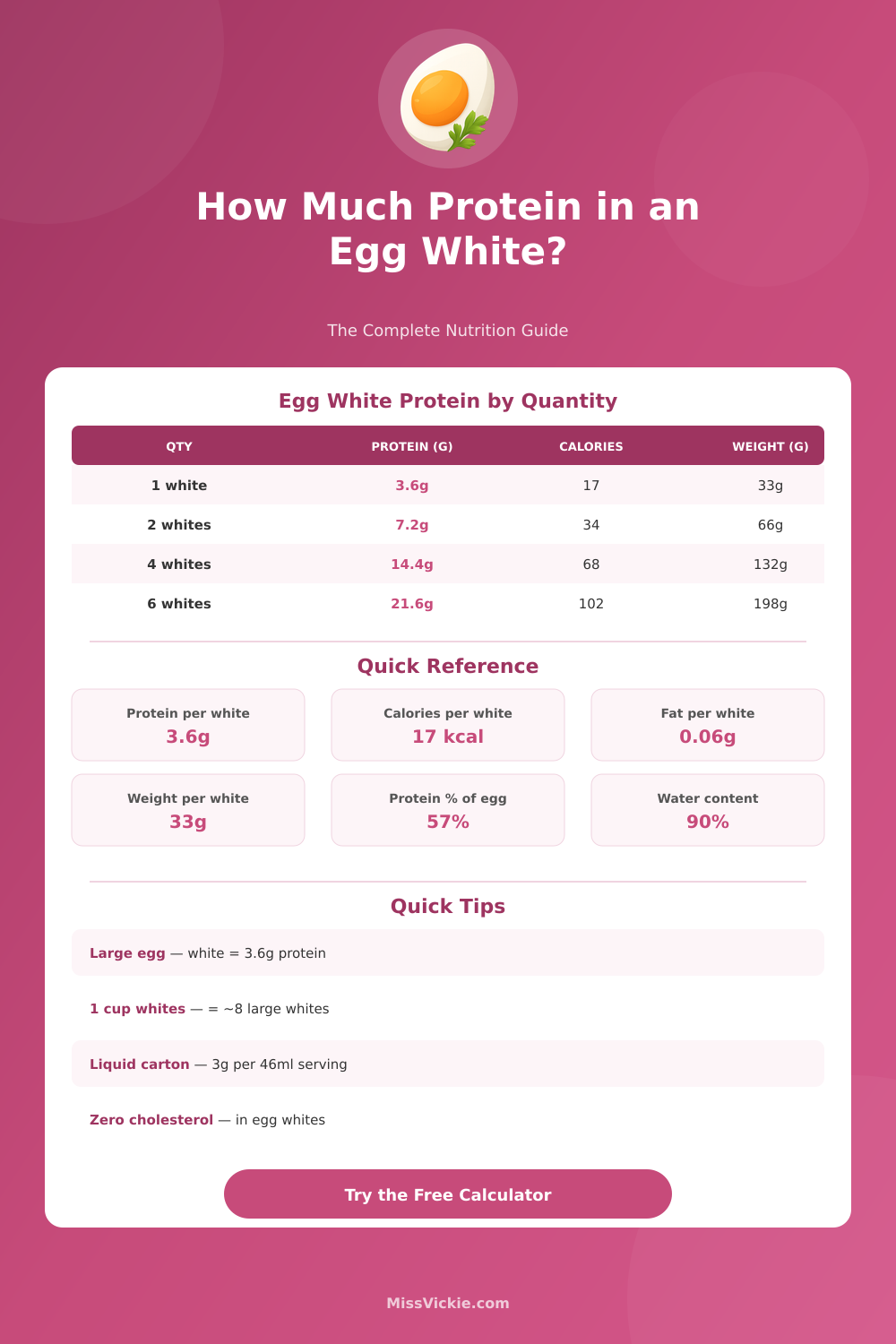
When we talk about a cup of egg whites, we're referring to approximately eight to nine large egg whites, depending on the size of the eggs and how carefully they are separated. This volume delivers a concentrated dose of essential nutrients that support various bodily functions. Here’s a breakdown of what you can expect:
- Protein: A single cup of egg whites contains an impressive 26 grams of high-quality protein. This is the standout feature, making them an unparalleled choice for muscle repair, growth, and satiety.
- Calories: Despite their rich protein content, one cup of egg whites provides only about 117 calories. This makes them incredibly calorie-efficient, allowing you to feel full and nourished without consuming excess energy.
- Fat: Perhaps one of the most appealing aspects for those monitoring their diet is that egg whites contain zero grams of fat. This distinguishes them from whole eggs, where the fat content resides entirely in the yolk.
- Cholesterol: Similarly, egg whites are completely free of cholesterol, making them a heart-healthy option, especially for individuals managing their cholesterol levels or following a low-cholesterol diet.
This remarkable combination of high protein, low calories, and no fat or cholesterol positions egg whites as an ideal food for weight management, athletic performance, and general health maintenance. They represent a pure form of protein, making it easy to hit your daily protein targets without compromising other dietary goals.
Beyond the Macros: Essential Micronutrients in Egg Whites
While the macronutrient profile of egg whites (especially the 26 grams of protein in a cup of egg white) is undeniably impressive, their value extends to a crucial array of micronutrients. These vitamins and minerals play vital roles in everything from energy production to immune function, making egg whites more than just a protein source.
Key Micronutrients and Their Benefits:
- Vitamin B12 (Cobalamin): Egg whites are a good source of B12, a vitamin essential for nerve function, red blood cell formation, and DNA synthesis. It plays a critical role in energy metabolism, helping your body convert food into usable energy.
- Selenium: This trace mineral acts as a powerful antioxidant, protecting cells from damage caused by free radicals. Selenium also supports thyroid function and plays a role in immune system health.
- Riboflavin (Vitamin B2): As another B-vitamin, riboflavin is crucial for energy production, cellular growth, and the metabolism of fats, carbohydrates, and proteins. It also helps maintain healthy skin and vision.
- Other Trace Minerals: While not as abundant as in the yolk, egg whites still contribute small amounts of other important minerals like potassium, magnesium, and phosphorus, which are vital for bone health, muscle function, and fluid balance.
The presence of these micronutrients enhances the overall nutritional value of egg whites, offering a holistic benefit that goes beyond just protein. By choosing egg whites, you're not just getting a lean protein; you're also fortifying your body with essential vitamins and minerals that contribute to optimal health and well-being.
Why 26 Grams Matters: The Benefits of High-Quality Egg White Protein
Understanding that there are 26 grams of protein in a cup of egg white is one thing, but truly appreciating the impact of this quantity requires a deeper look into the benefits of high-quality protein. Egg white protein is considered a complete protein, meaning it contains all nine essential amino acids that the human body cannot produce on its own. This makes it exceptionally valuable for various physiological processes.
The Impact of High-Quality Protein:
- Muscle Growth and Repair: The complete amino acid profile in egg whites provides the building blocks necessary for repairing muscle tissue after exercise and supporting new muscle growth. This is why they are a favorite among athletes and bodybuilders.
- Satiety and Weight Management: Protein is renowned for its ability to promote feelings of fullness and reduce appetite. Incorporating egg whites into your meals can help you feel satisfied for longer, potentially leading to reduced overall calorie intake and supporting weight loss or maintenance efforts.
- Metabolic Support: Protein has a higher thermic effect of food (TEF) compared to carbohydrates and fats, meaning your body expends more energy to digest and metabolize it. This can give a slight boost to your metabolism.
- Bone Health: Adequate protein intake is crucial for maintaining bone density and strength, especially as we age.
- Immune Function: Amino acids are vital for producing antibodies and other immune cells, thus supporting a robust immune system.
For those looking to optimize their protein intake without the added calories from fat, egg whites are an unparalleled choice. They offer a clean, efficient way to reach your protein goals, whether you're building muscle, trying to lose weight, or simply aiming for a healthier diet. For an even broader perspective on this topic, consider reading how much protein in a cup of egg white - Article 3.
Creative Ways to Incorporate Egg Whites into Your Diet
Given their impressive nutritional profile and culinary flexibility, integrating egg whites into your daily diet is both easy and delicious. Their neutral flavor and ability to take on various textures make them suitable for a wide array of dishes. Here are some practical tips and recipe ideas:
Breakfast Boosts:
- Fluffy Scrambles or Omelets: Combine liquid egg whites with a whole egg or two for added richness, then mix with your favorite vegetables, lean meats, and a sprinkle of low-fat cheese.
- Protein-Packed Pancakes/Waffles: Substitute some of the liquid in your pancake or waffle batter with egg whites for an extra protein punch without altering the flavor significantly.
- Frittatas and Quiches: Create lighter versions of these classics by using mostly egg whites as the base, packed with spinach, mushrooms, bell peppers, and lean turkey bacon.
Lunch & Dinner Enhancements:
- Added to Stir-Fries: Whisk egg whites and scramble them separately, then add to your stir-fry for an easy protein boost.
- Clear Soups: Gently pour a stream of whisked egg whites into simmering soups (like hot and sour soup) to create delicate, protein-rich "ribbons."
- Baking: From meringues and soufflés to protein-fortified muffins and breads, egg whites provide structure and lightness without adding fat.
Snacks & Shakes:
- Protein Smoothies: Add pasteurized liquid egg whites directly to your fruit or vegetable smoothies for a raw, easily digestible protein boost.
- Egg White Bites: Bake individual portions of egg whites with veggies in muffin tins for quick, grab-and-go snacks.
When using liquid egg whites from a carton, always ensure they are pasteurized for safe consumption, especially if adding them to smoothies where they won't be cooked. This makes incorporating 26 grams of protein in a cup of egg white into almost any meal a convenient and healthy choice.
Conclusion
Egg whites stand out as a truly remarkable food, offering a concentrated source of high-quality protein with an incredibly clean nutritional profile. With approximately 26 grams of protein in a cup of egg white, along with zero fat, zero cholesterol, and a mere 117 calories, they are an undeniable asset to any diet aimed at health, fitness, or weight management. Beyond the impressive macronutrients, egg whites also contribute valuable B vitamins and essential minerals, supporting everything from energy metabolism to immune function.
Whether you're an athlete striving for muscle growth, someone looking to curb cravings and manage weight, or simply seeking a versatile and healthy ingredient to elevate your meals, egg whites deliver. Their adaptability in the kitchen, combined with their potent nutritional benefits, makes them a valuable addition to your culinary repertoire. So, the next time you're planning a meal or snack, remember the power packed into every cup of egg whites and harness this pure protein source for a healthier, more vibrant you.
