Unpacking the Protein Powerhouse: How Much Protein in a Cup of Egg White?
Egg whites have long been a staple in kitchens worldwide, prized for their versatility and impressive nutritional profile. From fluffy omelets to delicate meringues, these clear components of an egg offer a lean source of sustenance that appeals to athletes, dieters, and health-conscious individuals alike. But beyond their culinary flexibility, a key question often arises for those meticulously tracking their intake: how much protein in a cup of egg white?
Understanding the exact nutritional contribution of egg whites is crucial for meal planning, especially when aiming for specific macro-nutrient goals. This article will dive deep into the protein content and broader health benefits of this remarkable food, providing a comprehensive guide to help you harness its full potential.
The Core Nutritional Breakdown: Protein and Beyond
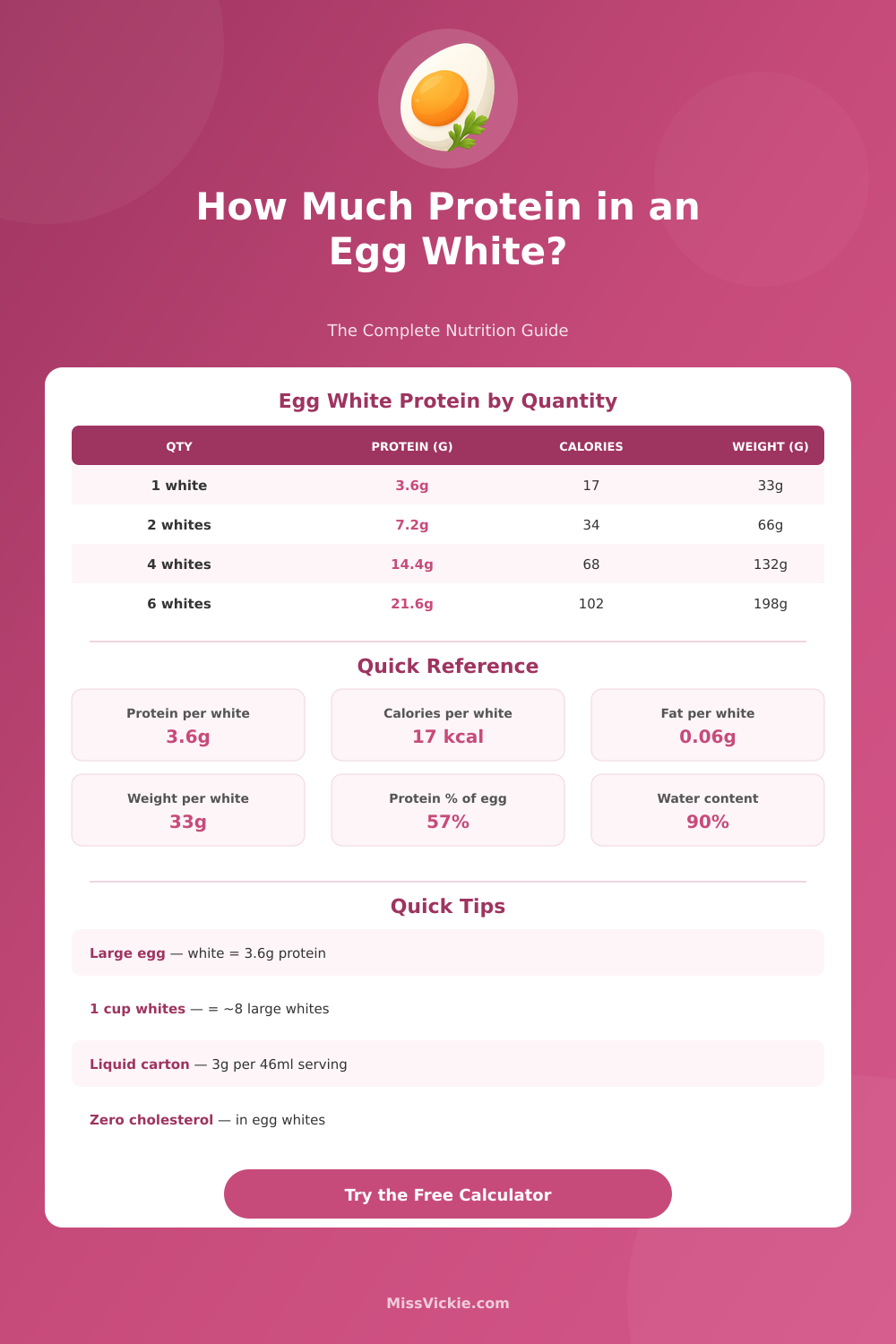
Let's get straight to the heart of the matter. When we talk about how much protein in a cup of egg white, the numbers are quite compelling. A single cup of egg whites provides approximately:
- Protein: 26 grams
- Calories: Around 117
- Fat: 0 grams
- Carbohydrates: Less than 2 grams
This makes egg whites an incredibly efficient source of protein, especially for their calorie count. The 26 grams of protein found in a cup of egg whites isn't just any protein; it's a complete protein. This means it contains all nine essential amino acids that our bodies cannot produce on their own and must obtain from food. These amino acids are the building blocks of muscle, enzymes, and hormones, playing vital roles in almost every bodily function.
Why 26 Grams of Protein Matters
For many, 26 grams of protein is a significant portion of their daily requirement. Here's why this amount is so beneficial:
- Muscle Growth and Repair: The high-quality protein supports muscle synthesis, making egg whites a favorite among athletes and those looking to build or maintain lean muscle mass.
- Satiety and Weight Management: Protein is renowned for its ability to promote feelings of fullness, which can help reduce overall calorie intake and support weight loss or maintenance efforts. Consuming egg whites can help curb cravings and prevent overeating.
- Metabolic Boost: The body expends more energy digesting protein compared to fats or carbohydrates, a phenomenon known as the thermic effect of food. This can contribute to a slightly higher metabolic rate.
Beyond protein, egg whites also offer a respectable array of essential vitamins and minerals, albeit in smaller quantities than whole eggs due to the absence of the yolk. These include:
- Vitamin B12: Essential for nerve function, red blood cell formation, and DNA synthesis.
- Selenium: A powerful antioxidant that supports thyroid health and immune function.
- Riboflavin (Vitamin B2): Crucial for energy production and cellular growth.
- Potassium: Important for blood pressure regulation and fluid balance.
The fact that egg whites are virtually fat-free and cholesterol-free further enhances their appeal, making them a heart-healthy option for those monitoring their lipid intake. For a more granular look at the precise measurements and comparisons, delve into how much protein in a cup of egg white - Article 1.
Egg Whites in Your Diet: Maximizing Their Health Benefits
Understanding how much protein in a cup of egg white is just the first step; integrating them effectively into your diet is where the real magic happens. Egg whites are not just for breakfast; their versatility allows them to be a beneficial addition to meals throughout the day.
Advantages of Incorporating Egg Whites
The benefits extend beyond just protein content:
- Low Calorie Density: With only around 117 calories per cup, egg whites allow you to add significant protein without significantly increasing your calorie load. This is ideal for calorie-restricted diets.
- Cholesterol-Free: For individuals managing cholesterol levels or with specific dietary restrictions, egg whites offer a safe and nutritious protein source without the cholesterol found in yolks.
- Allergen Considerations: While some individuals are allergic to eggs, for those sensitive only to egg yolks, egg whites can be a viable protein option. Always consult with a healthcare professional regarding allergies.
- Boost to Macronutrient Balance: For diets requiring higher protein and lower fat (e.g., bodybuilding prep, certain medical diets), egg whites are an excellent tool to balance macros efficiently.
Practical Ways to Enjoy Egg Whites
Incorporating egg whites into your culinary routine is simpler than you might think:
- Breakfast Power-Up: Transform your morning routine with egg white scrambles, omelets filled with vegetables, or egg white frittatas. You can even mix them into oatmeal or protein pancakes for an extra protein punch.
- Light Lunches: Add cooked egg whites to salads for a lean protein boost, or create healthy egg white muffins for a grab-and-go meal.
- Dinner Reinforcement: Stir liquid egg whites into soups during the last few minutes of cooking for added protein, or use them as a binding agent in healthy meatloaf or burger patties.
- Baking and Desserts: Egg whites are essential for creating airy meringues, soufflés, and light, protein-rich baked goods. They can also be used as a leavening agent in gluten-free baking.
- Smoothies and Shakes: For those looking for a raw option (ensure they are pasteurized for safety), liquid egg whites can be blended into protein smoothies for a tasteless, nutrient-dense addition.
When purchasing, you have two main options: separating fresh eggs or buying liquid egg whites in cartons. Liquid egg whites offer convenience and are often pasteurized, making them safer for certain applications. Whichever you choose, knowing how much protein in a cup of egg white empowers you to make informed decisions for your health and diet.
To further explore the extensive health advantages and why egg whites are a smart dietary choice, be sure to read how much protein in a cup of egg white - Article 2.
Beyond the Plate: Egg Whites for Specific Dietary Needs
The unique nutritional profile of egg whites makes them particularly suitable for various dietary needs and health goals.
Supporting Athletic Performance and Recovery
Athletes and fitness enthusiasts often have elevated protein requirements to support muscle repair, growth, and overall recovery. The high biological value of egg white protein means it is readily absorbed and utilized by the body, making it an excellent post-workout option. Its lean nature also means it won't contribute to unwanted fat intake, which is critical during cutting phases or for maintaining a lean physique.
Aiding in Weight Management Strategies
For those on a weight loss journey, the combination of high protein and low calories in egg whites is incredibly valuable. Protein-rich meals lead to greater satiety, reducing the likelihood of snacking on less healthy alternatives. Substituting whole eggs with egg whites in some meals can significantly reduce calorie and fat intake while keeping you feeling full and satisfied.
Managing Blood Sugar Levels
Egg whites are naturally very low in carbohydrates, which means they have a minimal impact on blood sugar levels. This makes them an excellent food choice for individuals managing diabetes or following low-carb and ketogenic diets. The protein content also helps to slow down the absorption of carbohydrates when consumed with other foods, contributing to more stable blood glucose.
Heart-Healthy Eating
As mentioned, egg whites contain no dietary cholesterol and are virtually fat-free. This makes them a preferred protein source for individuals who need to limit their cholesterol intake due to cardiovascular concerns. Incorporating egg whites regularly can be part of a broader heart-healthy eating pattern that emphasizes lean proteins, whole grains, fruits, and vegetables.
Considerations for Preparation and Safety
While egg whites are incredibly beneficial, a few considerations are worth noting:
- Cooking is Key: Always ensure egg whites are cooked thoroughly to eliminate the risk of salmonella. Cooking also denatures avidin, a protein in raw egg whites that can bind to biotin (a B vitamin), preventing its absorption.
- Sodium Content: While generally low, if you're using pre-packaged liquid egg whites, check the sodium content, as it can vary between brands.
- Flavor Profile: Egg whites have a very mild flavor, which is a blessing and a curse. It makes them versatile but also means you'll need to season them well or combine them with flavorful ingredients to avoid blandness.
Conclusion
The question of how much protein in a cup of egg white is definitively answered: approximately 26 grams of high-quality, complete protein. This impressive protein punch, combined with their low-calorie count, zero fat, and absence of cholesterol, positions egg whites as an outstanding nutritional ally for a wide array of dietary goals and health conditions.
Whether you're an athlete striving for muscle gains, someone focused on weight management, or simply seeking a versatile and nutrient-dense addition to your meals, egg whites deliver. Their adaptability in the kitchen, coupled with their robust health benefits, makes them an invaluable ingredient. By consciously incorporating egg whites into your diet, you're not just adding protein; you're investing in a cornerstone of healthy eating that supports overall well-being.
